Authentic Georgian Kupati: Homemade Spicy Pork Sausages
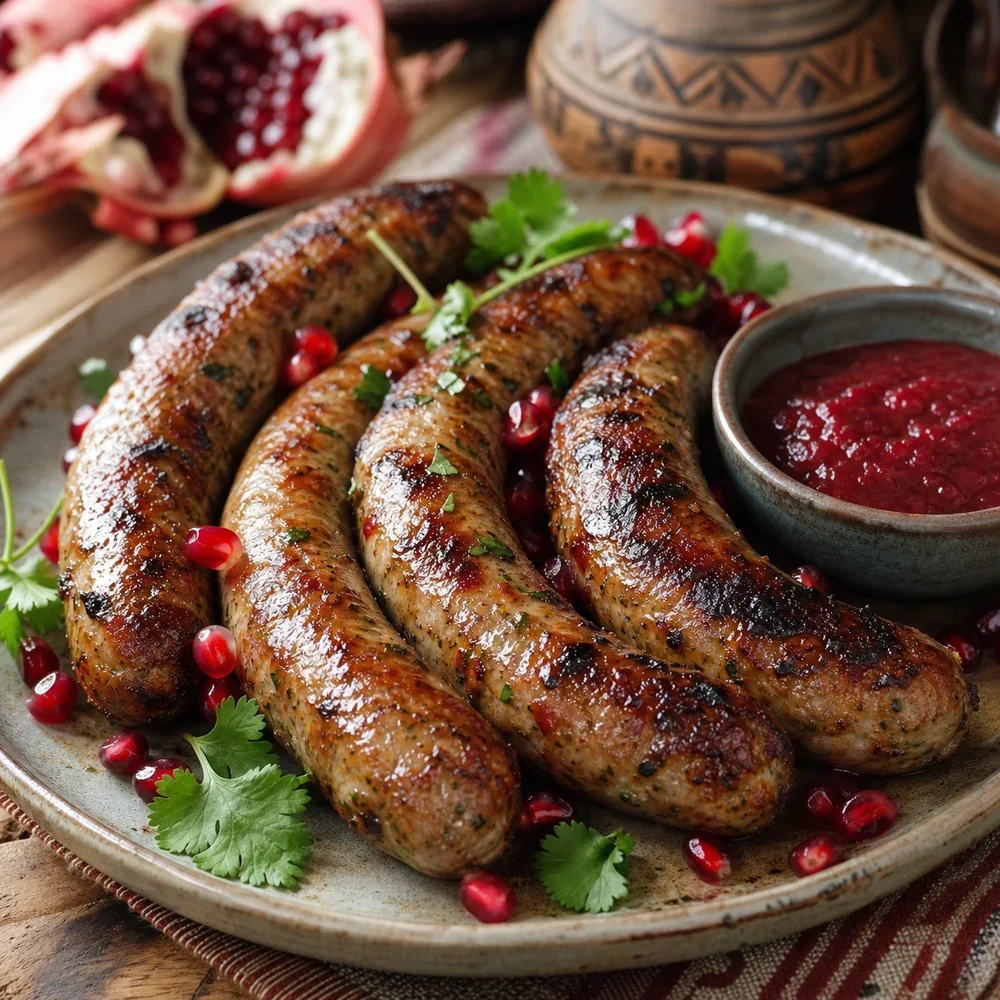

Homemade Kupati
Savory Georgian sausages bursting with pomegranate, garlic, and warming spices. Perfect for grilling or pan-frying.
Kupati is a treasure of Georgian cuisine, specifically hailing from the lush regions of Imereti and Guria. These aren't your average sausages; they are a complex explosion of flavor that balances rich, fatty meats with the sharp, acidic pop of pomegranate seeds and the unique floral notes of Georgian spices. Traditionally made during the colder months, they have become a year-round staple for anyone who loves a hearty, soul-warming meal that pairs perfectly with a glass of robust red wine.
The secret to a truly spectacular Kupati lies in the texture and the aromatics. By using a mix of pork and beef with a generous amount of fat, you ensure the sausage stays juicy even after hitting a hot grill. The inclusion of 'khmeli suneli'—a classic Georgian spice blend—alongside cinnamon and cloves creates a fragrant profile that is instantly recognizable. Whether you serve them with a side of tangy tkemali sauce or tucked into fresh bread, these sausages are a masterclass in rustic culinary art.
Nutrition (per serving)
Directions
-
1
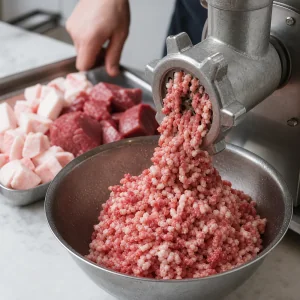
Begin by grinding the pork, beef, and pork fat together using a medium-hole plate on your meat grinder. Keep the meat as cold as possible throughout the process.
-
2
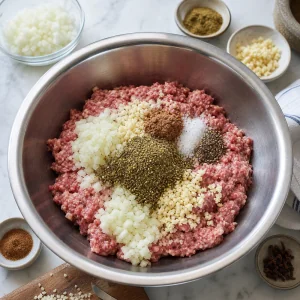
In a large chilled mixing bowl, combine the ground meat with the minced garlic, onion, salt, pepper, khmeli suneli, cinnamon, and cloves.
-
3
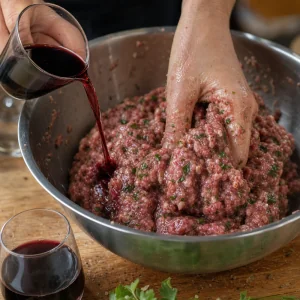
Pour in the red wine and mix the meat by hand for several minutes until it becomes slightly tacky and the liquid is fully absorbed.
-
4
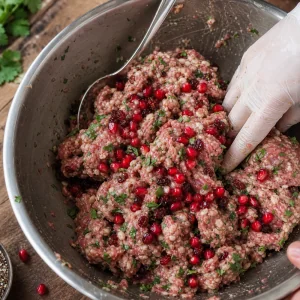
Gently fold in the pomegranate seeds and optional barberries, being careful not to crush the seeds.
-
5
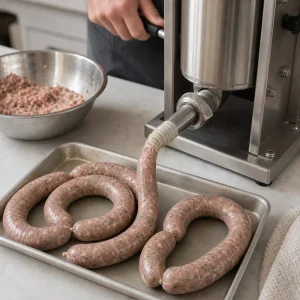
Fit the sausage casing onto the nozzle of your sausage stuffer. Slowly feed the meat mixture into the casings, ensuring they are filled firmly but not so tight that they burst.
-
6
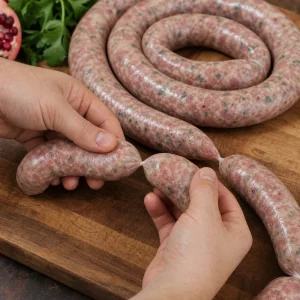
Twist the sausages into 5-6 inch links, alternating the direction of the twists to secure them.
-
7
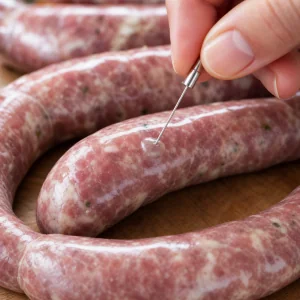
Use a sterilized needle to prick any visible air bubbles in the casings to prevent bursting during cooking.
-
8

To cook, traditionally they are blanched in simmering water for 3 minutes, then fried in a skillet or grilled over medium heat until golden brown and cooked through (internal temperature of 160°F).
-
9
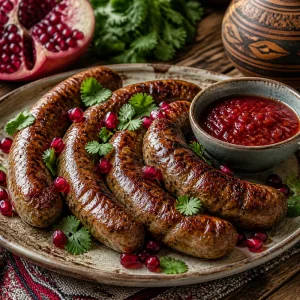
Serve hot with fresh pomegranate seeds, cilantro, and red plum sauce.
Ingredients
- Pork shoulder (well-marbled):2 lb
- Beef chuck:1 lb
- Pork fat or lard:0.5 lb
- Garlic cloves, minced:6 pieces
- Yellow onion, very finely minced:1 piece
- Fresh pomegranate seeds:0.5 cup
- Khmeli suneli spice mix:1 tbsp
- Ground cinnamon:0.25 tsp
- Ground cloves:0.125 tsp
- Dried barberries (optional):2 tbsp
- Dry red wine:0.25 cup
- Salt:2 tsp
- Black pepper:1 tsp
- Hog casings, rinsed:6 ft
Tips & Notes
- Always keep your meat and grinder parts in the freezer for 20 minutes before starting; cold meat emulsifies better and prevents the fat from melting.
- If you can't find khmeli suneli, you can make a substitute using equal parts dried blue fenugreek, coriander, dill, and marigold.
- Do not overstuff the casings at the twists, as the meat expands slightly when heated.
- Kupati are even better the next day after the flavors have had more time to meld in the fridge.
Related Recipes
Cabbage Sausage Casserole
Frikadeller with Red Cabbage
Romanian Stuffed Peppers

Garlic Pork Medallions

Tourtière Meat Pie

Red Beans and Rice
Lentils with Sausage

Sausage and Peppers Sandwiches