Malaysian Kuih Dadar Coconut Crepes

Kuih Dadar
Soft pandan-scented crepes wrapped around juicy grated coconut cooked with palm sugar syrup, a classic Malaysian kuih for tea time or dessert.
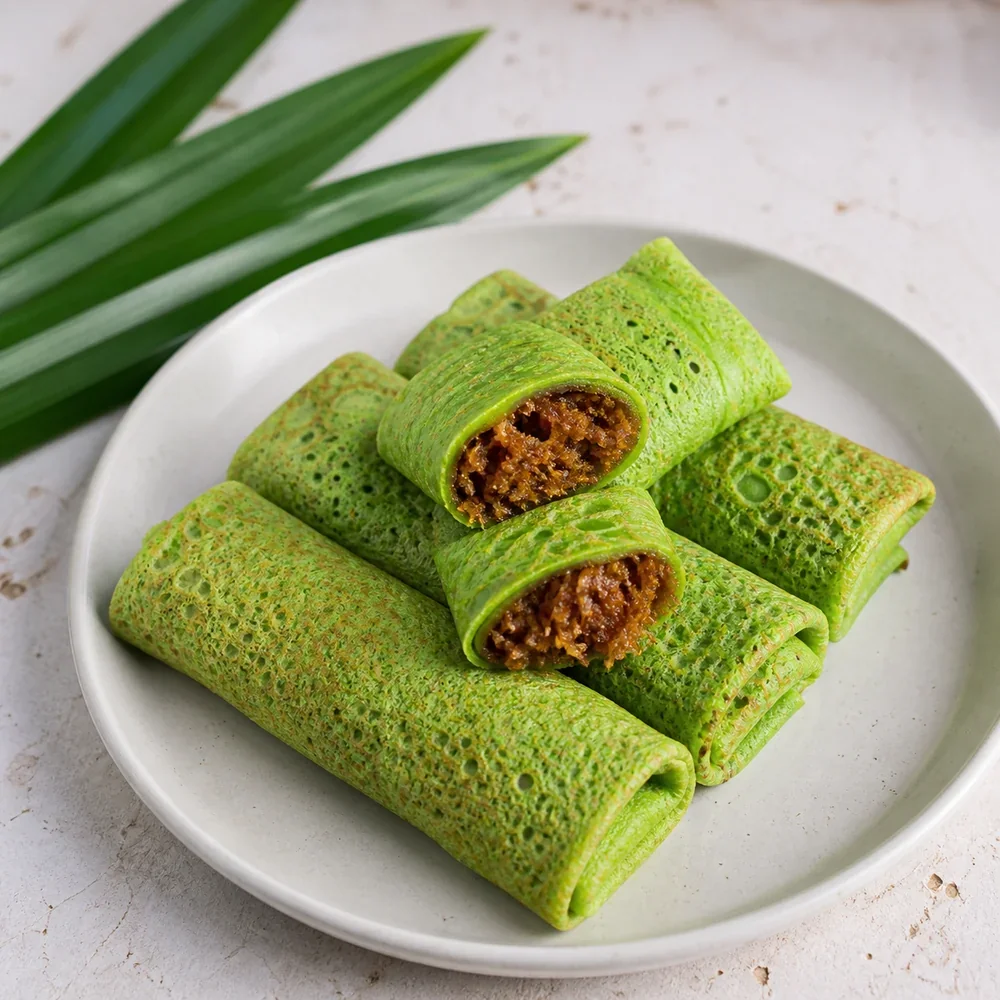
Kuih dadar is a beloved Malaysian snack made from thin green crepes wrapped around inti kelapa, a moist grated coconut filling sweetened with palm sugar. The crepes are tender rather than crisp, with a gentle pandan aroma that makes the coconut taste fuller and more fragrant.
The filling should be juicy but not wet. Palm sugar is melted with a little water, salt, and pandan, then simmered with grated coconut until the syrup clings to the strands. Letting it cool before rolling keeps the crepes from tearing and gives the sugar time to settle into the coconut.
A good kuih dadar crepe is thin enough to fold easily but sturdy enough to hold a generous spoonful of filling. Resting the batter, cooking over moderate heat, and wiping the pan between crepes help keep the color bright and the surface smooth.
Serve these coconut crepes at room temperature with tea or coffee. They are best the day they are made, but they can be covered and kept for several hours without losing their soft texture.
Nutrition (per serving)
Directions
-
1
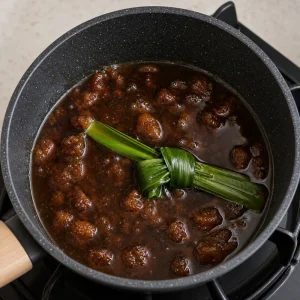
Combine palm sugar, water, the pandan leaf, and salt in a small pan, then simmer over medium heat until the sugar fully dissolves.
-
2
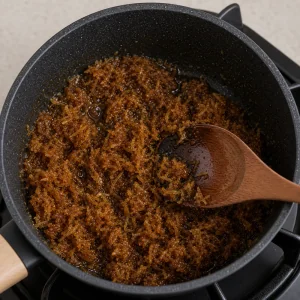
Add the grated coconut and cook for 6 to 8 minutes, stirring often, until the coconut is glossy and the syrup clings to it without pooling in the pan.
-
3
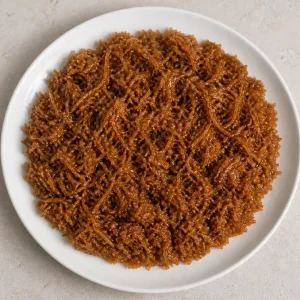
Discard the pandan leaf, spread the coconut filling on a plate, and let it cool to room temperature.
-
4
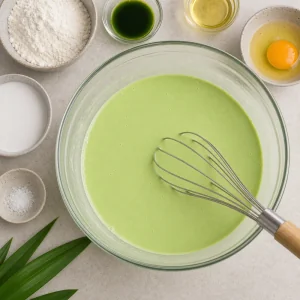
Whisk flour, egg, coconut milk, pandan juice, oil, and a pinch of salt until smooth, then rest the batter for 10 minutes.
-
5
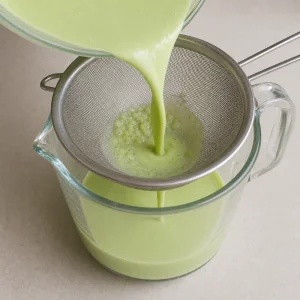
Strain the batter into a jug to remove lumps; it should pour like thin cream, so whisk in 1 to 2 tablespoons of water if it feels thick.
-
6
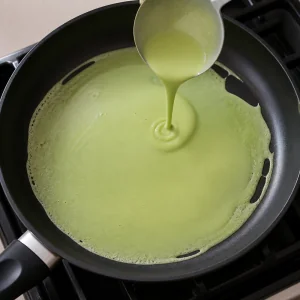
Lightly oil a nonstick skillet and heat it over medium heat, then pour in a thin layer of batter and swirl to coat the base.
-
7
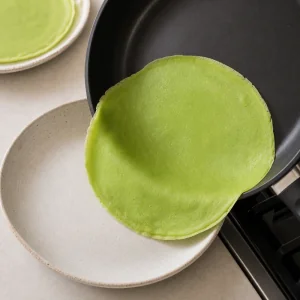
Cook the crepe for about 1 minute, just until the surface is set and the edges lift, then transfer it to a plate without browning it.
-
8
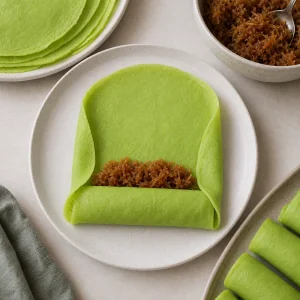
Place 2 tablespoons of coconut filling near one edge of each crepe, fold in the sides, and roll tightly into a neat cylinder.
Ingredients
- Fresh grated coconut:2 cups
- Palm sugar, chopped:5 oz
- Water for the coconut filling:1/4 cup
- Pandan leaf, knotted:1
- Fine salt:1/4 tsp
- All-purpose flour:1 cup
- Large egg:1
- Coconut milk:3/4 cup
- Pandan juice:1/2 cup
- Neutral oil:1 tbsp
Tips & Notes
- Use freshly grated coconut if possible; frozen grated coconut works well after thawing and squeezing out excess water.
- For natural pandan juice, blend chopped pandan leaves with water, then strain through a fine sieve before measuring.
- Keep the pan at medium heat so the crepes stay soft and green instead of turning brown.
- Cover finished kuih dadar with a clean towel while rolling the remaining crepes.