Traditional Norwegian Potato Lefse with Cinnamon Sugar
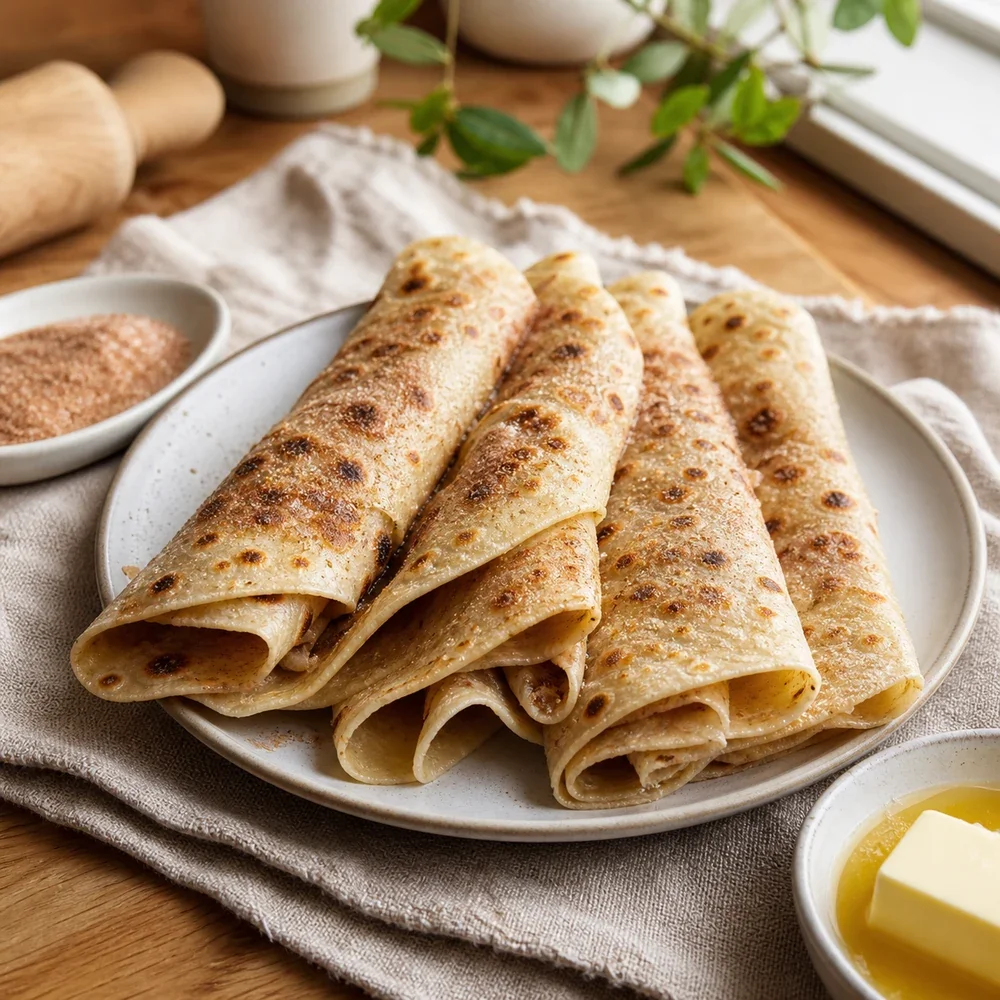

Potato Lefse
Soft, tender Norwegian potato flatbreads perfect for rolling up with butter and cinnamon sugar.
Lefse is more than just a flatbread; it is a warm hug from a Scandinavian kitchen. Growing up, these delicate potato rounds were a staple during the holidays, filling the house with the comforting scent of melted butter and sweet cinnamon. While they might look like simple tortillas, their texture is incredibly tender and light, thanks to the riced potatoes that form the base of the dough.
The secret to perfect lefse lies in two things: cooling your potatoes completely before mixing and rolling the dough until it is paper-thin. Do not be intimidated by the process—once you get into the rhythm of rolling and flipping on a hot griddle, it becomes a meditative kitchen ritual. Whether you serve them sweet with sugar or savory with ham, these flatbreads are a beautiful way to bring a taste of Norway to your table.
Nutrition (per serving)
Directions
-
1
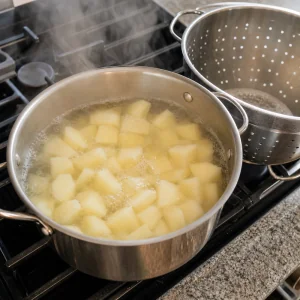
Boil the potatoes in a large pot of salted water until very tender, about 15 to 20 minutes. Drain thoroughly.
-
2
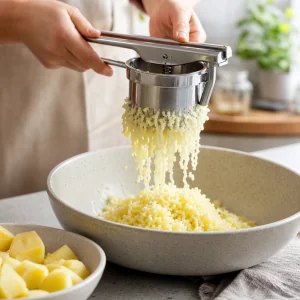
Rice the hot potatoes into a large bowl using a potato ricer to ensure there are no lumps.
-
3
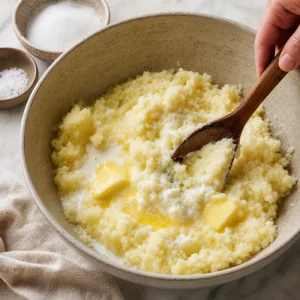
Stir in the butter, heavy cream, sugar, and salt while the potatoes are still warm. Mix until smooth and well combined.
-
4
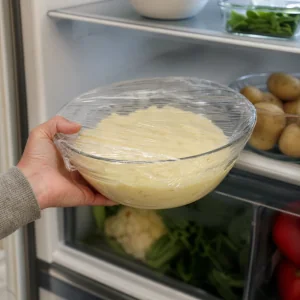
Cover the potato mixture and refrigerate until completely cold, preferably overnight. This step is crucial for the dough's consistency.
-
5
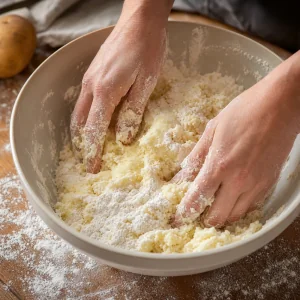
Once cold, stir in the flour by hand until a soft dough forms. Do not overwork the dough.
-
6
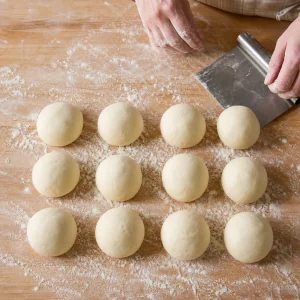
Divide the dough into 12 equal-sized balls, roughly the size of a large egg.
-
7
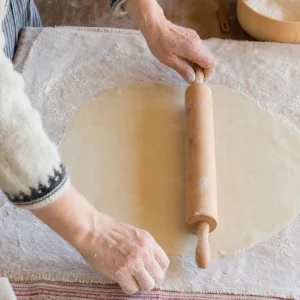
On a heavily floured surface (or using a lefse cloth), roll each ball into a very thin circle, about 10-12 inches in diameter.
-
8
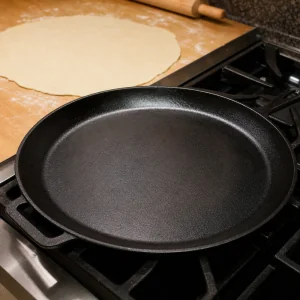
Heat a large ungreased griddle or cast-iron skillet over medium-high heat.
-
9
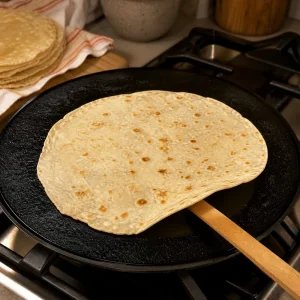
Carefully transfer the dough to the griddle using a long spatula or lefse stick. Cook for 1-2 minutes per side until light brown spots appear.
-
10
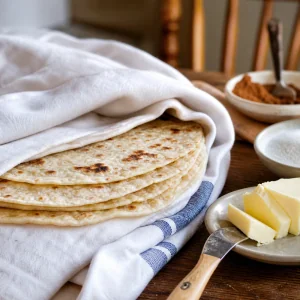
Place cooked lefse between clean kitchen towels to keep them soft as they cool. Serve with butter, sugar, and cinnamon.
Ingredients
- Russet potatoes, peeled and cubed:2.5 lb
- Unsalted butter, softened:0.5 cup
- Heavy cream:0.5 cup
- Granulated sugar:1 tbsp
- Salt:1 tsp
- All-purpose flour:2 cups
Tips & Notes
- Use a potato ricer for the smoothest texture; a masher often leaves small lumps that make rolling difficult.
- Keep the dough cold while working—only take out a few dough balls at a time from the fridge.
- If the dough sticks while rolling, use plenty of flour on your rolling pin and surface; you can always brush off the excess before cooking.