Authentic Gulab Jamun with Cardamom and Rose Syrup
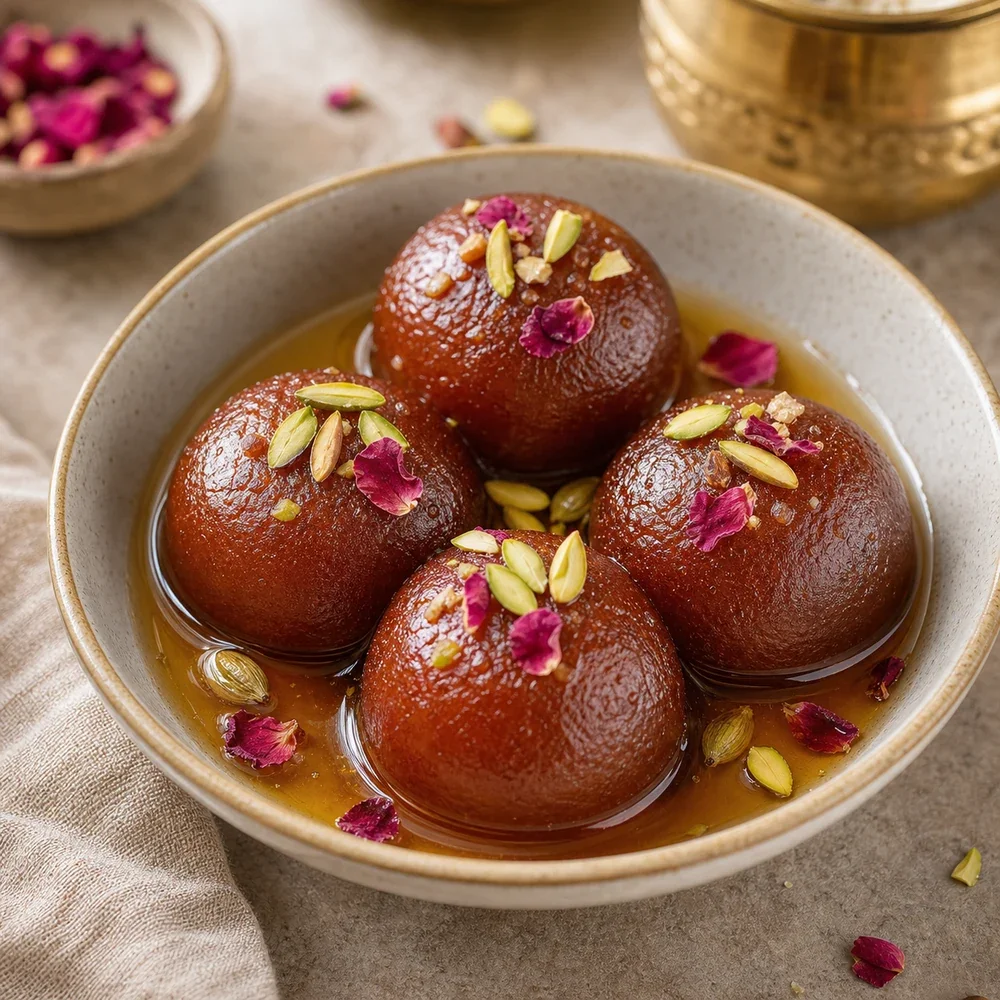

Gulab Jamun
Soft, melt-in-your-mouth fried milk dumplings soaked in a fragrant rose and cardamom syrup.
Gulab Jamun is often called the king of Indian desserts, and for good reason. These pillowy-soft dumplings are made from milk solids, fried to a deep golden mahogany, and then bathed in a warm, floral sugar syrup. One bite into a warm jamun reveals a tender, airy center that literally melts on your tongue, releasing intoxicating notes of green cardamom and rose water.
While they might seem intimidating to make from scratch, the secret lies in the gentle handling of the dough and the patience of the soak. It is the ultimate celebratory treat, traditionally served at weddings and festivals like Diwali. Once you have tasted a homemade batch, still warm and dripping with syrup, you will never want to go back to the canned versions again.
Nutrition (per serving)
Directions
-
1
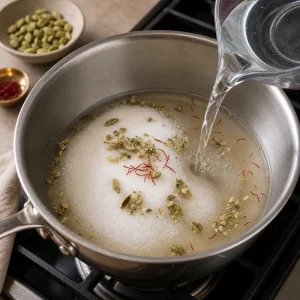
Prepare the syrup first by combining sugar, water, crushed cardamom pods, and saffron in a wide saucepan over medium heat.
-
2
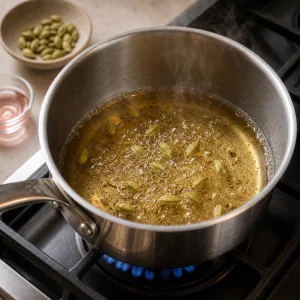
Bring the mixture to a boil, then simmer for about 10 minutes until it becomes slightly sticky. Stir in the rose water and keep the syrup warm on very low heat.
-
3
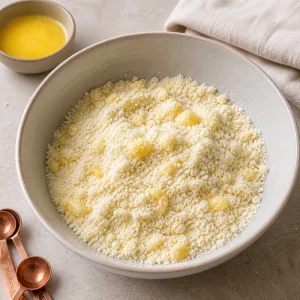
In a large bowl, whisk together the milk powder, flour, and baking soda. Rub the ghee into the dry ingredients using your fingertips until the mixture looks like fine crumbs.
-
4
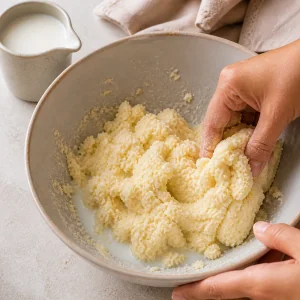
Add the milk one tablespoon at a time, mixing gently until a soft, slightly sticky dough forms. Do not over-knead, as this makes the jamuns tough.
-
5
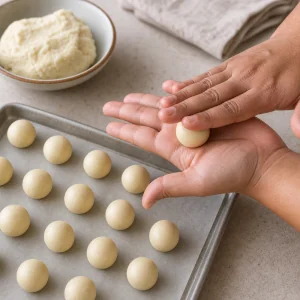
Let the dough rest for 5 minutes, then grease your palms with a little ghee and divide the dough into 16-18 small, perfectly smooth balls. Ensure there are no cracks on the surface.
-
6
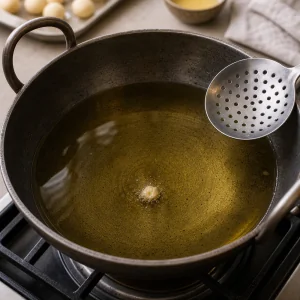
Heat oil in a deep pan or kadai over low heat. The oil should be warm, not hot. To test, drop a tiny piece of dough in; it should stay at the bottom for a few seconds before rising slowly.
-
7
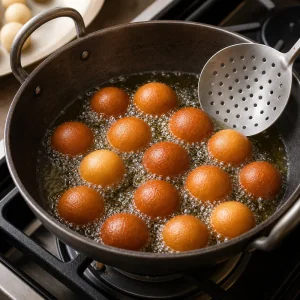
Carefully slide the balls into the oil. Fry on very low heat, stirring the oil gently in a circular motion (without touching the balls directly) to ensure even browning.
-
8
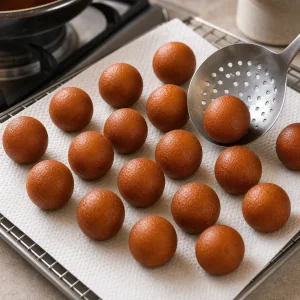
Once the jamuns turn a deep golden-brown color, remove them with a slotted spoon and drain briefly on paper towels for 30 seconds.
-
9
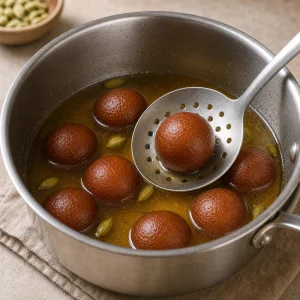
Drop the warm jamuns into the warm syrup. Let them soak for at least 2 hours so they can double in size and absorb the flavors before serving.
Ingredients
- Full-fat milk powder:1 cup
- All-purpose flour:¼ cup
- Ghee (clarified butter):1 tbsp
- Whole milk:4 tbsp
- Baking soda:¼ tsp
- Granulated sugar:2 cups
- Water:2 cups
- Cardamom pods, lightly crushed:5 pieces
- Rose water:1 tsp
- Saffron strands:1 pinch
- Vegetable oil for frying:2 cups
Tips & Notes
- Temperature control is vital; if the oil is too hot, the outside will burn while the center remains raw and doughy.
- If your dough is too dry and cracks while rolling, add a teaspoon of milk to reach a smoother consistency.
- Never drop cold jamuns into cold syrup; both should be warm for the best absorption and texture.